

 TripAdvisor
A First-Time Visitor’s Guide to Meeting Mountain Gorillas in Africa
Gorilla trekking is one of the most
unforgettable wildlife experiences on Earth. Every year, travelers from around
the world journey to the forests of Rwanda, Uganda, and the Democratic
Republic of Congo hoping for a rare opportunity: standing close to a family
of mountain gorillas in their natural habitat.
Many people imagine the final moment—looking into the eyes of a silverback, watching playful young gorillas, or
seeing a mother care for her baby. But the true experience begins long before
that first encounter.
Beyond the permits, travel plans,
and beautiful photographs, there are many things first-time visitors only
discover once they begin their journey.
Here is what nobody tells you before
gorilla trekking.
Gorilla trekking is not a normal wildlife safari
Unlike traditional safaris where you
observe wildlife from a vehicle, gorilla trekking takes you deep into the
forest where these incredible animals live.
You are not simply visiting a place
where gorillas appear. You are entering their world.
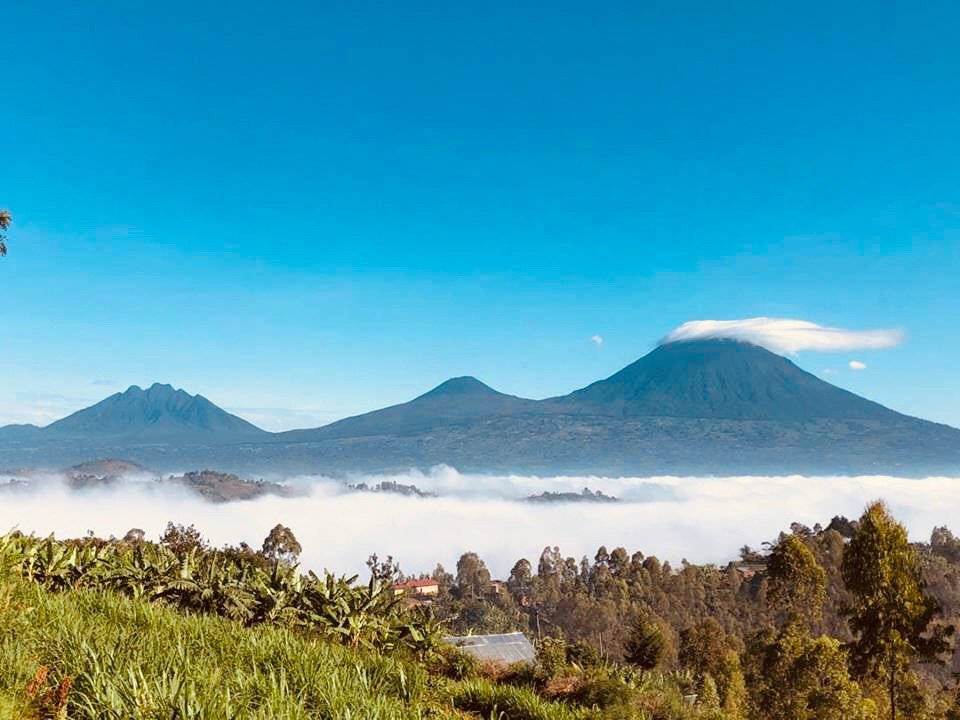
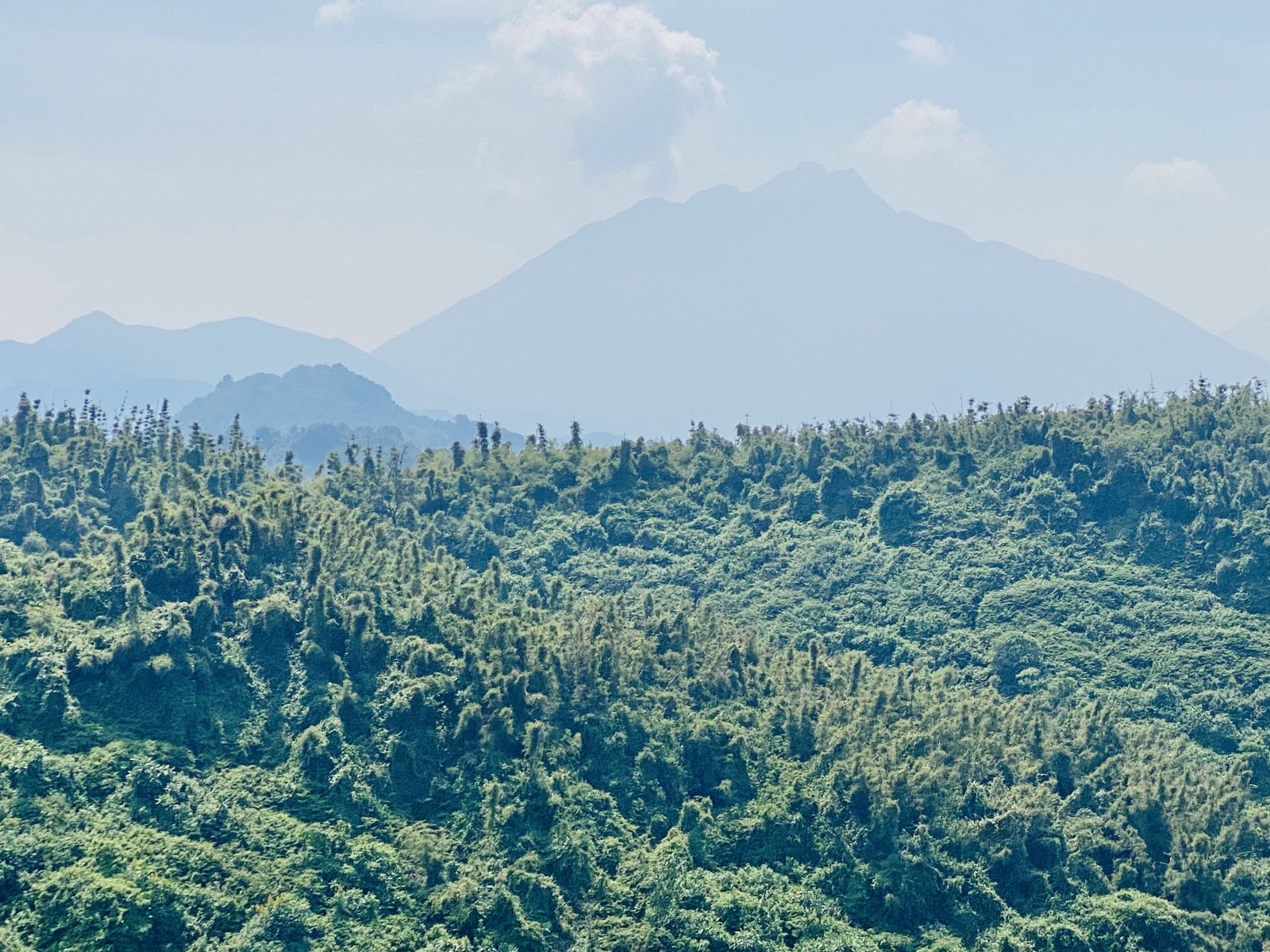
The journey takes place in some of
Africa’s most remarkable ecosystems, including the Virunga Mountains and
the ancient forests of the Albertine Rift. Along the way, you may
encounter unique plants, birds, insects, and other forest wildlife.
The gorillas are the highlight, but
the forest itself is part of the story.

Visitors hiking through the forest during a gorilla trek
The trek is unpredictable — and that is part of the adventure
One thing many travelers do not
expect is that every gorilla trek is different.
Gorilla families move through the forest every day in search of food and
comfortable resting places. Some visitors may find their assigned gorilla
family after a short walk, while others may enjoy a longer adventure through
challenging mountain terrain.
The journey may include muddy
trails, steep slopes, thick vegetation, and changing weather conditions.
But this uncertainty is what makes
the experience special. You are not visiting a zoo or a controlled environment.
You are searching for wild animals living freely in their natural home.
The moment you meet a gorilla is difficult to describe
Many travelers prepare themselves
for the physical challenge of trekking, but few are prepared for the emotions
of the encounter.
After walking through the forest
and finally reaching a gorilla family, time seems to slow down.
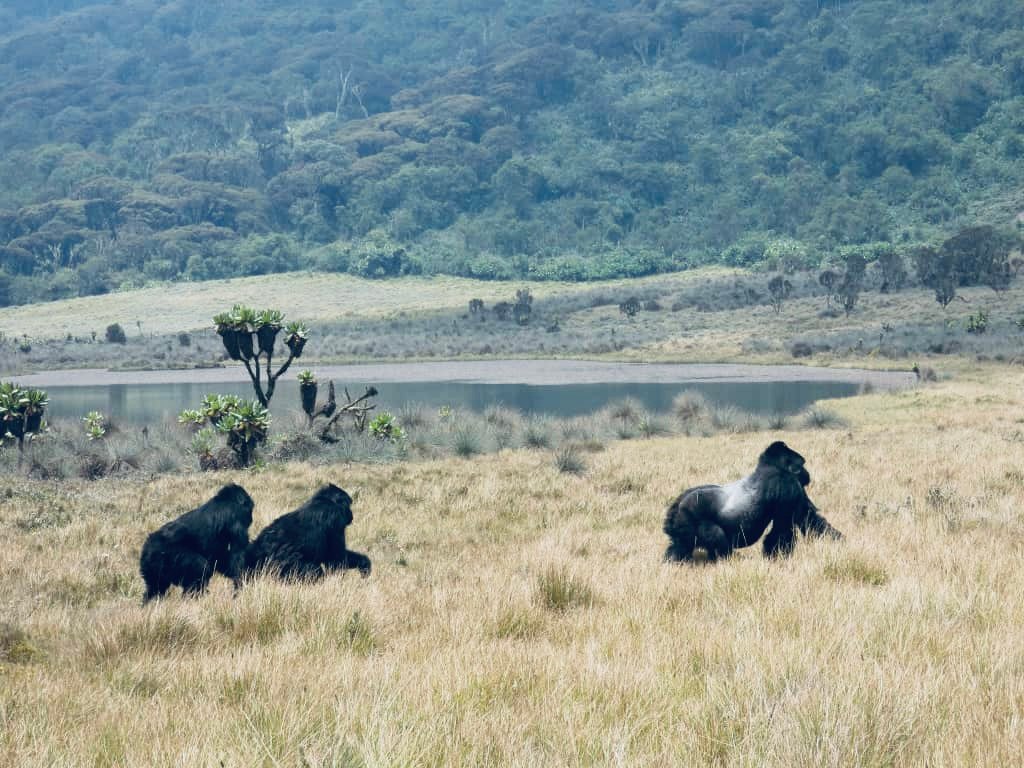
You may watch a silverback
resting peacefully, juveniles playing around their family members, or a mother
gently caring for her infant.
Many visitors say the most powerful
part is not taking a photograph—it is simply being present and sharing a
quiet moment with another species.

Visitors quietly observing a mountain gorilla family
Gorillas are not just animals — they are individuals
One of the biggest surprises for
first-time visitors is realizing that every gorilla has its own
personality.
Researchers and trackers can identify individual gorillas
through unique features such as facial characteristics, nose patterns,
behaviors, and family relationships.
Some gorillas are curious and
active. Others are calm and relaxed. Some young gorillas spend their time
playing, while older silverbacks carefully watch over their families.
When you meet a gorilla, you are not
just seeing a species. You are meeting an individual with its own story.

Mother mountain gorilla caring for her infant
The trackers are the hidden heroes of gorilla trekking
Before visitors arrive, experienced
trackers are already working in the forest.
Every morning, trackers follow signs
left by gorilla families, including footprints, feeding areas, and nesting
sites. Their knowledge of the forest and gorilla behavior helps visitors have a
safe and meaningful experience.
These men and women dedicate their
lives to understanding and protecting mountain gorillas.
Without their daily efforts, many
unforgettable encounters would not be possible.

Meet the trackers whose daily work makes every gorilla encounter possible
You do not need to be an extreme hiker
A common misconception is that
gorilla trekking is only for very experienced hikers.
The reality is that people with
different ages and fitness levels can participate with proper preparation.
The difficulty depends on several
factors:
- The location of the gorilla family on that day
- The terrain
Walking slowly, listening to your
guides, and preparing with suitable clothing and footwear can make a big
difference.
The goal is not to be the fastest
person in the forest. The goal is to enjoy the journey.
The rules protect both gorillas and visitors
Before entering the forest, every
visitor receives a briefing about responsible gorilla trekking.
These guidelines exist to
protect the health and safety of both humans and gorillas.
Mountain gorillas share much of
their genetic makeup with humans, which means they can be vulnerable to certain
human illnesses. Respecting distance, avoiding disturbance, and following guide
instructions are essential parts of responsible tourism.
A successful gorilla encounter is
one where visitors leave memories behind — not impacts.
Your visit helps protect mountain gorillas
Gorilla trekking is more than a travel experience. It is connected to one of
the world’s most important conservation efforts.
Tourism revenue supports gorilla monitoring, conservation programs,
protected areas, and communities living around gorilla habitats.
By choosing responsible gorilla
tourism, travelers become part of a larger story—helping ensure that
future generations can also experience these remarkable animals.

Every visit supports local artists, community initiatives, and the people who help make gorilla tourism meaningful
What should you bring for your gorilla trek?
Preparation makes your experience
more comfortable.
Recommended items include:
- Comfortable hiking shoes with good grip
- Waterproof jacket
- Drinking water
- Gloves
Weather in mountain forests can
change quickly, so being prepared is important.
Rwanda, Uganda, or Congo: where should you go?
Many travelers arrive hoping to see
gorillas and leave with something much deeper.
They leave with a greater
appreciation for nature, conservation, and the importance of protecting fragile
ecosystems.
A gorilla trek is not just about a
photograph or a checklist item. It is about a connection—between people, wildlife,
and the forests that sustain them.
Ready for your gorilla adventure?
We create responsible and meaningful
gorilla trekking experiences that connect travelers with mountain gorillas,
local communities, and the incredible landscapes of the Virunga region.
Whether it is your first visit to
Africa or a dream journey you have planned for years, our local team is ready
to help you experience gorilla trekking in a respectful and unforgettable way.


Join the Conversation
Be the first to comment!
Leave a Reply